Partnership
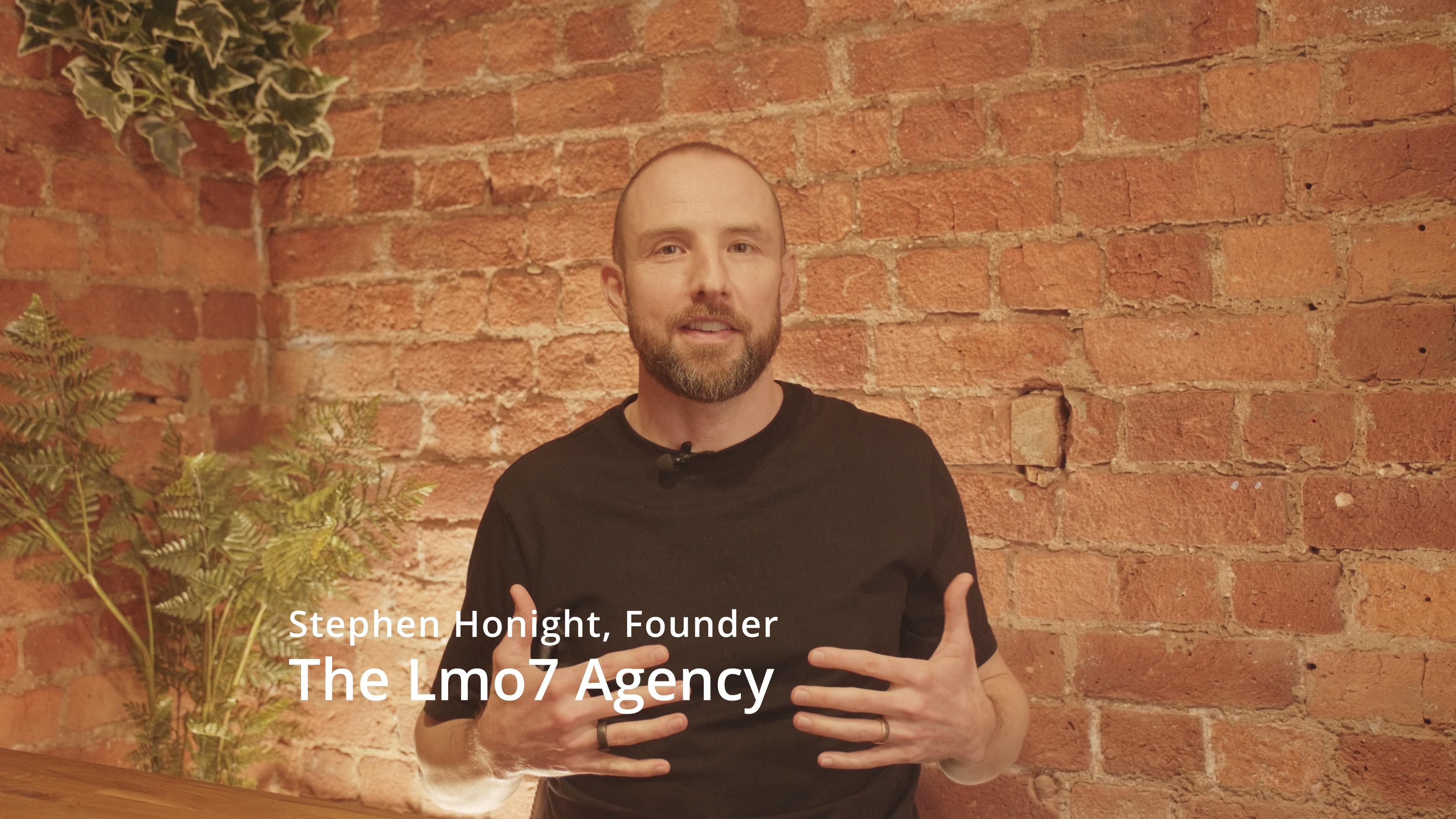
Stephen Honight, founder of The Lmo7 Agency, dives deep into how innovative ecommerce brands are operationalising Share of Model Platform.
Visit partner:
Share of Model is a diagnostic, not just a dashboard
AI visibility tools are increasingly being treated like reporting layers.
Teams log in, look at rankings, look at mentions, maybe screenshot a chart for a deck, then move on.
That misses the point.
Share of Model is most valuable when used as a diagnostic system rather than a passive dashboard. The difference matters because AI search is not a simple impression channel. It is a recommendation environment. The question is not only whether your brand appears. It is why the model chose your brand, where your brand appears in the response and what needs to change to improve that outcome.
For most brands, this means shifting from vanity interpretation to action-led interpretation. A high mention rate can still hide a weak commercial position if your brand is consistently shown fourth, fifth, or seventh in recommendation lists. In AI interfaces that often surface only a handful of options, average position becomes a far more decision-relevant metric than raw mentions alone. This is something we have seen first hand, highly correlating to direct referral traffic.
Share of Model becomes operationally useful from the start of data collection. Used properly, it gives teams a structured way to assess share of voice, average position and mention rate across prompts and models. But the real value comes from what happens next: using those signals to identify the gap between how you want your brand to be understood by AI and how AI systems currently represent it.
In practice, we find the diagnostic workflow is much more useful when teams ask these questions every week.
First, where are competitors outranking us and why? This forces comparative analysis. In many cases the answer is not media spend. It is things like - clearer product attributes, stronger supporting content, better category language, or more consistent citations.
Second, where are we absent entirely? These gaps matter because they reveal category demand spaces where the model does not yet connect your brand to the user intent. And they can be easy solves through content updates and deployment.
Third, what changed after we shipped improvements? If Share of Model data is not reviewed alongside content changes, PDP updates, landing page improvements, structured data fixes, or citation work, you lose the ability to learn what actually moved performance.
This is why the best teams should treat Share of Model as the front end of a continuous optimisation loop:
Measure → diagnose → prioritise fixes → ship changes → re-measure.
The workflow is familiar to how strong performance marketers have always worked. The difference is that the objects being optimised are not just bids and creatives. They are product attributes, entity signals, content structure and evidence consistency across the web. It’s a big universe of bits and bytes to manage.
In that sense, Share of Model sits at the epicentre of technical SEO, brand strategy and conversion optimisation. It is not only showing you “how visible you are.” It is helping you understand how machine-mediated discovery currently interprets your brand and where that interpretation is commercially weak - and what to do about it.
The brands that benefit most will be the ones that operationalise this properly. Not a monthly screenshot habit. A diagnostic discipline.
If AI search is becoming a meaningful discovery layer (which we believe it is) then Share of Model should be used the same way any serious growth team uses analytics: not to admire the numbers but to decide what to do next.
Author - Stephen Honight, founder of The Lmo7 Agency.
Read Their Stories
Real brands. Real results. Discover how teams master AI-driven brand visibility.